
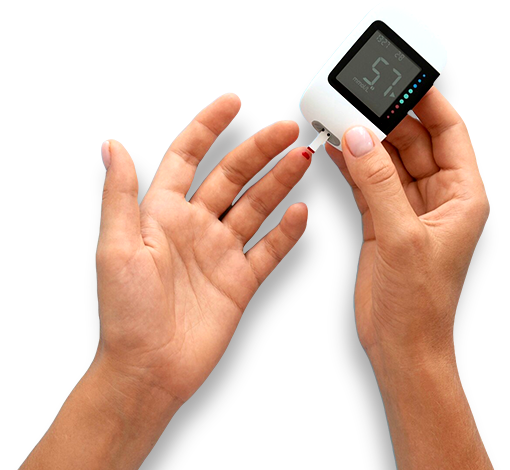
MedCare Drug Mart provides comprehensive care for individuals dealing with pre-diabetes, diabetes, or recent diagnoses. We offer a variety of tests and services to help manage your blood sugar levels, including A1C testing, blood sugar monitoring, and guidance on self-management techniques.
Whether you need medication adjustments or lifestyle advice, our team is equipped to support your diabetes management effectively.


Having these supplies on hand and using them correctly is essential for managing diabetes effectively.
If you have any questions about these items or need assistance, our pharmacy team is here to help.
Diabetes can lead to various complications if not properly managed. Recognizing these
potential issues is crucial for taking proactive steps to prevent or address them.

Diabetes increases the risk of cardiovascular problems such as heart disease, stroke, and high blood pressure. Regular check-ups, adopting a heart-healthy lifestyle, and adhering to prescribed medications can help manage and reduce these risks.

Diabetes can cause neuropathy, which affects the nerves in your hands and feet, leading to symptoms like numbness, tingling, or pain. Good blood sugar control and regular foot care are essential to prevent complications. Autonomic neuropathy, which impacts internal organs, requires careful management of blood glucose levels and awareness of related symptoms.

Diabetic retinopathy involves damage to the blood vessels in the retina, which can lead to vision problems or even blindness. Regular eye exams and maintaining good blood sugar control are crucial to prevent or manage this condition.

Diabetes can affect kidney function, potentially leading to kidney disease or failure. Regular kidney function tests, along with managing your blood sugar and blood pressure, are important for protecting kidney health.

Poor circulation and nerve damage from diabetes can lead to serious foot issues, including ulcers, infections, or even amputations. Regular foot inspections and proper foot care are vital to preventing these complications.

Diabetes can make you more susceptible to skin infections and conditions such as fungal infections or dry skin. Maintaining good hygiene and monitoring your skin for changes are important to manage these issues.
Preventing complications involves regular monitoring of your blood glucose levels, adhering to your prescribed medication regimen, maintaining a healthy diet, engaging in regular physical activity, and attending routine check-ups with your healthcare provider.
Your diabetes emergency plan should include contact information for your healthcare provider, a list of emergency medications, instructions for managing high or low blood sugar, and a plan for accessing medical care quickly if needed.
Effective management of blood glucose levels involves following your prescribed medication plan, monitoring your blood sugar regularly, maintaining a healthy diet, exercising regularly, and managing stress. Consult with your healthcare provider to tailor a plan that works best for you.
To monitor kidney health, you may need tests such as a urine albumin test (to check for protein in the urine) and a serum creatinine test (to assess kidney function). Your healthcare provider will recommend the appropriate tests based on your health status.
Regularly inspect your feet for any cuts, blisters, or changes in skin condition. Keep your feet clean and dry, and wear well-fitting shoes. Seek medical attention for any foot injuries or persistent problems.
Signs of diabetic neuropathy can include numbness or tingling in the hands or feet, sharp pain, or difficulty feeling temperatures. If you experience these symptoms, consult your healthcare provider for an evaluation.